
Serengeti National Park
4x4 Self drive Safaris - Tanzania
Budget Car Rentals & One way Rentals
|
4×4 Arusha Car rental for self guided Safaris in Tanzania. Book now with us for the best deal.
Rooftoptent cars for Camping safaris in Serengeti /Tarangire /Manyara and Arusha National Parks.
Serengeti National Park – Car Rental Arusha & 4×4 trips
Serengeti National Park, spread across roughly 14,750 square kilometres of northern Tanzania, this UNESCO World Heritage Site and the beating heart of East African safari travel — a rolling sea of golden grass, acacia-studded plains, and kopjes (granite outcrops) that have sheltered predators and prey for millions of years. The name itself comes from the Maasai word “siringet,” meaning “endless plains,” and once you’re standing in the middle of it with the horizon melting into heat haze in every direction, you understand exactly why.
The Serengeti is most famous for the Great Migration, when over two million wildebeest, zebra, and gazelle move in a continuous, weather-driven loop through the ecosystem in search of fresh grazing. But the park is far more than migration season. Resident lion prides dominate the central Seronera Valley, leopards drape themselves over sausage tree branches along the Grumeti River, and cheetahs use the open plains of the south to hunt in daylight. Elephants, giraffes, hippos, crocodiles, hyenas, and more than 500 bird species round out an ecosystem that rewards patient, unhurried exploration.
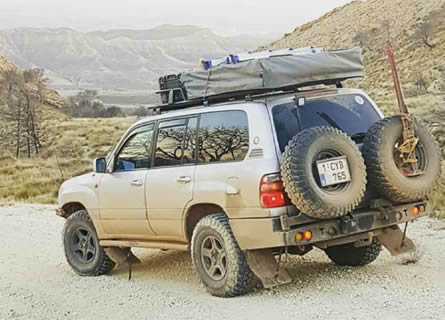


Self-Drive Trips Through Lake Manyara
Lake Manyara National Park, near Arusha, is the natural first stop on most Serengeti overland routes — close by and gentle enough to ease visitors into self-driving before tougher terrain ahead. Though small (about 330 km²), it packs in groundwater forest, acacia woodland, floodplains, and an alkaline lake that can draw huge flamingo flocks. After picking up a rental 4×4 in Arusha (typically a Land Cruiser or Land Rover), it’s under two hours on tarmac to the Mto wa Mbu gate — an easy warm-up leg with graded roads, short distances, and decent phone signal.
Inside, the circuit follows the Rift Valley escarpment between forest and lakeshore. Expect narrow, sometimes muddy tracks; check conditions with rangers first. Manyara is famous for tree-climbing lions, plus baboon troops, elephants, and buffalo herds near the floodplain. Self-driving means freedom to linger, backtrack, or picnic at will — but also full responsibility for navigation, timing, and handling low-range 4×4 driving if tracks turn soft.
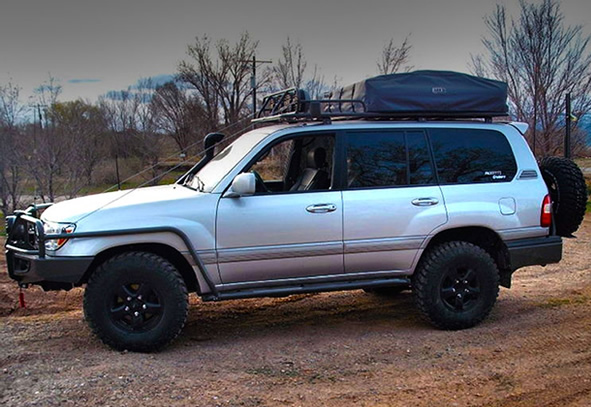
Best Time to Visit
Tanzania’s dry season (late June–October) gives the most reliable game viewing, as animals gather near remaining water and thinning vegetation improves sightings. This coincides with the migration’s presence in the western and northern Serengeti, including Mara River crossings roughly July–September.
November–December’s short rains green the plains quickly and bring fewer tourists. January–March, in the southern Serengeti/Ndutu area, is prime for newborn wildebeest calves and arguably the best predator action, as calving season concentrates lions, cheetahs, and hyenas.
April–May’s long rains create lush scenery but make many roads difficult even for 4x4s, and some camps close. Self-drivers lacking off-road experience should avoid this season, or plan extra time and a solid recovery kit.
What to See in the Wider Circuit
Beyond Lake Manyara, most self-drive itineraries continue through the Ngorongoro Conservation Area — worth a full day for the crater floor alone — before dropping into the Serengeti’s southern and central sections. Highlights along the way and inside the park itself include:
- Ngorongoro Crater rim and floor, home to one of the densest predator populations in Africa, including black rhino.
- Olduvai Gorge, a short detour of huge significance in human evolutionary history.
- Seronera Valley, the Serengeti’s central hub and best year-round game viewing area, thanks to permanent water sources.
- Grumeti River, famous for dramatic wildebeest river crossings and resident Nile crocodiles.
- Kopjes, the granite islands rising from the plains that serve as lookout points, denning sites, and some of the most photogenic spots in the entire park.
- Naabi Hill, the main entrance gate, with a short walking trail and sweeping views over the southern plains — one of the few places in the park where visitors are permitted to leave their vehicle.
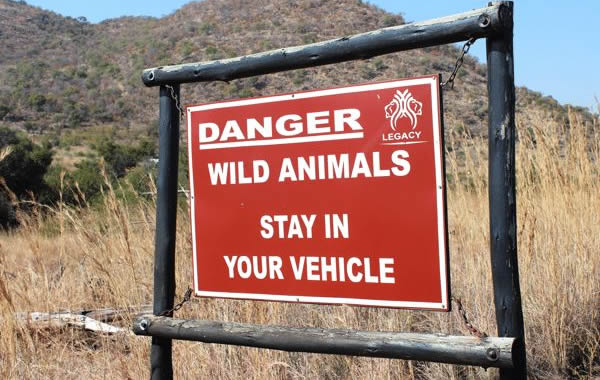
Drive your Tanzania Adventure Holiday
Guide your self in the African wilderness responsively. Follow the park guideline and in some places request a ranger guide. There’sm much more to learn.
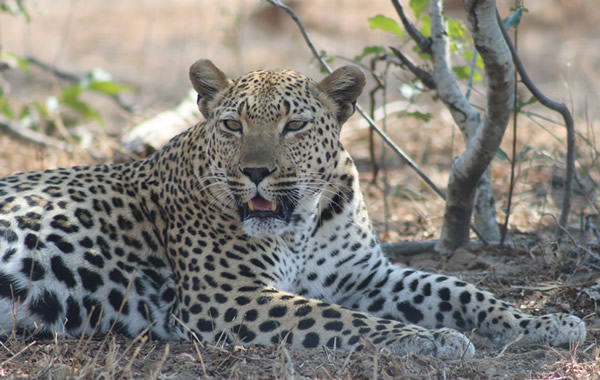
Explore the remote Tanzania independently
From Serengeti open plains and the Ngorongoro Crater to the mountaineous Usambara highlands and the coastal region of Dar es Salaam and Tanga.
Sample Itineraries
5-Day Budget Loop: Arusha → Lake Manyara (1 night camping) → Ngorongoro Crater rim (1 night camping) → Serengeti Seronera (2 nights camping) → return to Arusha.
7-Day Mixed Itinerary: Arusha → Lake Manyara (1 night, mid-range) → Ngorongoro (1 night, camping on the rim) → Serengeti central (2 nights, mid-range tented camp) → Serengeti south/Ndutu, seasonal (1 night, camping) → return via Ngorongoro → Arusha.
10-Day Full Circuit: Arusha → Tarangire (1 night) → Lake Manyara (1 night) → Ngorongoro Crater (1 night) → Serengeti central (2 nights) → Serengeti western corridor near the Grumeti River (2 nights, migration season) → Serengeti south/Ndutu (2 nights) → return to Arusha.
For all of these, picking up a properly equipped vehicle through a reputable car rental Arusha operator is the single most important decision you’ll make. Ask specifically about spare tires (two is standard for remote routes), a working winch or sand ladders, a roof tent if you’re camping, cooking equipment, and a satellite phone or GPS tracker, since mobile coverage disappears almost entirely once you’re deep inside the Serengeti. Done properly, a self-drive trip through Lake Manyara and into the Serengeti isn’t just cheaper than a guided safari — it’s a genuinely different, more immersive way to experience one of the last truly wild landscapes on the planet.
Where to Sleep: Mid-Range or Budget
Serengeti self-drive travelers usually pick between two accommodation tiers, skipping ultra-luxury.
Mid-range: Permanent tented camps or small lodges with en-suite bathrooms, good meals, and often a pool, located inside or near the park to cut drive time. Found around Seronera, the western corridor near Grumeti River, or Ndutu during migration season. Expect $150–$350 per person/night, meals included.
Budget: Independent travelers often use TANAPA public campsites — basic setups with a long-drop or shared toilet, maybe a water tap, nothing more. A rooftop tent and 4×4 is the standard overlander choice here: it keeps you off the ground (relevant with hyenas around camp at night), sets up fast, and uses the same vehicle as your game drives. Campsite fees are low, but park entrance and camping fees for foreign visitors add up over a multi-day trip, so budget carefully.
Hybrid approach: Many self-drivers camp through Lake Manyara and Ngorongoro, then splurge on a mid-range tented camp for a night or two inside the Serengeti, ideally timed with the migration.
Features
Explore Our Services
Lorem Ipsum is simply dumy text of the printing typesetting industry.