
Tarangire National Park
4x4 Self drive Safaris - Tanzania
Budget Car Rentals & One way Rentals
|
4×4 Arusha Car rental for self guided Safaris in Tanzania. Book now with us for the best deal.
Rooftoptent cars for Camping safaris in Serengeti /Tarangire /Manyara and Arusha National Parks.
Tarangire National Park – 4×4 Arusha Car Rentals, Self-Drive Guide
Tarangire National Park is often overshadowed by its more famous neighbors, the Serengeti and Ngorongoro Crater. Yet for travelers who want a raw, uncrowded safari experience, Tarangire delivers in ways few other parks can. Covering roughly 2,850 square kilometres, the park is named after the Tarangire River, which cuts through the landscape and is the single most important water source for wildlife during the dry season. Baobab trees dot the horizon like ancient sentinels, some over a thousand years old, giving the park a distinctive, almost prehistoric character.
Best known for its elephants. Herds of several hundred are not unusual, and because the river never fully dries up, animals converge here from June through October in numbers that rival the Serengeti migration, just without the crowds. Beyond elephants, the park hosts lions, leopards, cheetahs, wildebeest, zebra, giraffe, and over 550 recorded bird species, making it a paradise for birdwatchers as well as big-game enthusiasts. The swamps in the south of the park, particularly around Silale Swamp, attract dense concentrations of wildlife even in the wetter months, when animals disperse from the drier northern sections.


Where to Sleep: Mid-Range and Budget Options
Accommodation near Tarangire and Lake Manyara suits both mid-range travelers and budget self-drivers. Mid-range lodges and tented camps sit near Tarangire’s boundaries or riverbanks, offering ensuite rooms, pools, and full board for $150–300 per person nightly, often with elephant views from the veranda. Near Lake Manyara, similar lodges cluster around Mto wa Mbu and the escarpment, overlooking the Rift Valley.
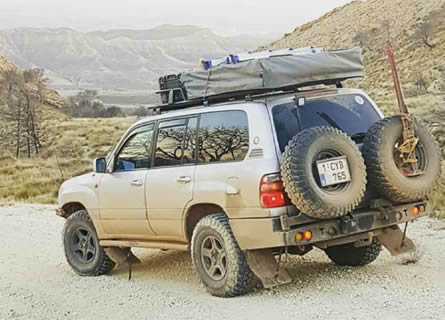
Budget travelers do well too: public campsites ($20–40 pp/night) offer basic facilities like long-drop toilets and cold showers. Rooftop tents on rented 4x4s are popular—many Arusha rental companies include tents, bedding, and cooking gear, turning vehicles into mobile campsites. This suits backpackers and overlanders wanting safari experiences without lodge prices. Since park campsites are unfenced, wildlife may wander through at night—keep food sealed and use a torch with a companion after dark.
What to See
Beyond the elephants and baobabs, Tarangire rewards patient observers. The park’s termite mounds, some over two meters tall, serve as lookout posts for lions and cheetahs. Silale Swamp, in the southern part of the park, is one of the best places in Tanzania to watch large predator-prey interactions during the dry season, when herds gather to drink. Birders should keep an eye out for the yellow-collared lovebird, the ashy starling (found almost nowhere else in the world), and the striking kori bustard, Africa’s heaviest flying bird.
For those combining Tarangire with Lake Manyara, the contrast between the two parks is part of the appeal. Manyara’s dense forest and lake ecosystem feel almost tropical, while Tarangire’s dry acacia woodland and baobab-studded plains have a completely different, more savanna-like atmosphere. Together, they offer a well-rounded picture of northern Tanzania’s ecological diversity within a short driving distance of each other.
Drive your Tanzania Adventure Holiday
Guide your self in the African wilderness responsively. Follow the park guideline and in some places request a ranger guide. There’sm much more to learn.
Explore the remote Tanzania independently
From Serengeti open plains and the Ngorongoro Crater to the mountaineous Usambara highlands and the coastal region of Dar es Salaam and Tanga.
Self-Drive Trips in Lake Manyara
Combining Tarangire with Lake Manyara National Park on a self-drive basis has become popular among independent travelers seeking flexibility without sacrificing safety. Located about 120 kilometers from Arusha, Manyara is a compact park known for tree-climbing lions, large flamingo flocks along its alkaline lake, and dense groundwater forest near the entrance.
Most self-drive 4×4 Tanzania itineraries begin with a vehicle pickup in Arusha, the hub for northern circuit safaris. Car rental companies there typically offer Toyota Land Cruisers with pop-up roofs, long-range fuel tanks, and camping gear—ideal for game drives and bush camping. Since Manyara’s roads are relatively well maintained compared to more remote parks, it’s a great entry point for those new to self-driving in East Africa.
Inside the park, roads trace the Rift Valley escarpment through groundwater forest, grassland, and lakeshore. Self-drivers should allow four to five hours to explore properly, watching for baboon troops, buffalo herds, and tree-climbing lions resting in acacia and sausage trees. When water levels are right, the lake attracts thousands of lesser flamingos along with pelicans and storks.
Some preparation is needed: roads can get slippery after rain and cross seasonal streams, so a true 4×4 is essential. GPS coverage is patchy, so offline maps or a physical park map from the gate are recommended. Fuel should be topped up in Mto wa Mbu, just outside the gate, since there are no fuel stations inside the park.
Explore Our Services
Lorem Ipsum is simply dumy text of the printing typesetting industry.
Best Time to Visit
The dry season, from late June through October, is widely considered the best time to visit Tarangire. Vegetation thins out, water becomes scarce outside the Tarangire River, and animals congregate in large, predictable numbers along the waterways, making game viewing exceptional. This period also offers the most reliable road conditions for self-drive 4×4 Tanzania trips, since dust replaces mud as the main road hazard.
The short dry spell in January and February is another excellent window, coinciding with calving season for wildebeest and zebra elsewhere in the northern circuit, and offering good weather with fewer tourists than the peak July to September period.
The wet season, from November to May, brings lush green landscapes and excellent birdwatching, as migratory species arrive in large numbers. However, animals disperse more widely across the park during this period, making sightings less concentrated, and some roads become genuinely challenging even for a well-equipped 4×4. Self-drivers visiting during the rains should be prepared for muddy, sometimes impassable tracks and should always carry a set of traction boards, a shovel, and a tow rope as standard equipment.
Possible Itineraries to Tarangire National Park
The classic route combines Arusha, Lake Manyara, and Tarangire over four to five days. Pick up your rental vehicle in Arusha, drive to Lake Manyara for an afternoon game drive, and overnight near Mto wa Mbu. Day two continues through Manyara before pushing on to Tarangire, camping with a rooftop tent setup. Days three and four cover Tarangire’s river circuit and southern swamps at a relaxed pace, before returning to Arusha.
A shorter three-day version offers one night per park—still a satisfying taste of both ecosystems. With a week or more, extend to Ngorongoro Crater and the Serengeti for the full northern circuit. Since all parks sit on well-maintained roads from Arusha, self-driving the whole loop in a 4×4 is easy, giving full control over pacing and photo stops. Whether budget camping or lodge-based, this is one of Tanzania’s most flexible self-drive safaris. (131 words)