
Self drive and Camping in Tanzania
For travellers who want the freedom to chase a lion sighting for an extra hour or linger at a waterhole until the light turns gold, self drive Tanzania safaris paired with camping are becoming one of the most popular ways to experience East Africa. Unlike a fixed group tour, a self-drive camping trip lets you set your own pace across Tanzania’s northern circuit — the Serengeti, Ngorongoro Crater, Tarangire, and Lake Manyara — while sleeping under canvas a few hundred metres from where the animals actually live. This guide breaks down why these four parks are the standout choices for a Tanzania 4×4 safari, the best campsites in each one, what they cost, and whether the whole approach makes financial and practical sense for a first-time visitor.
Why Self-Drive Camping Works
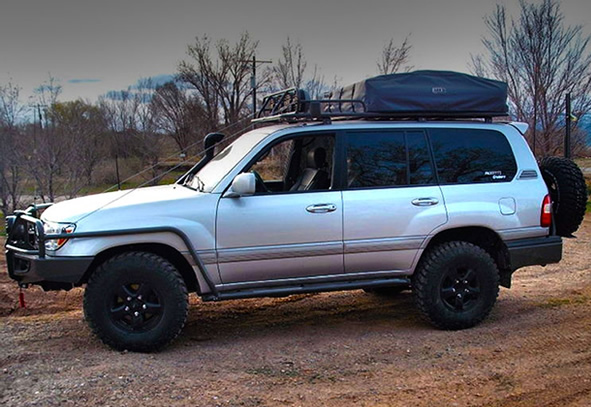
Tanzania is one of the few classic safari countries in Africa where independent, self-guided driving is genuinely practical. The northern circuit parks are linked by decent (if occasionally rough) roads, TANAPA maintains marked routes and ranger posts inside the parks, and there’s a mature rental industry in Arusha built specifically around outfitting 4×4 vehicles for camping travellers. A typical car rental Arusha package for a self-driver isn’t just a vehicle — it comes with a rooftop tent, a full camp kitchen, recovery gear, and 24-hour roadside support, because operators know their clients are heading straight into the bush rather than staying at a hotel.
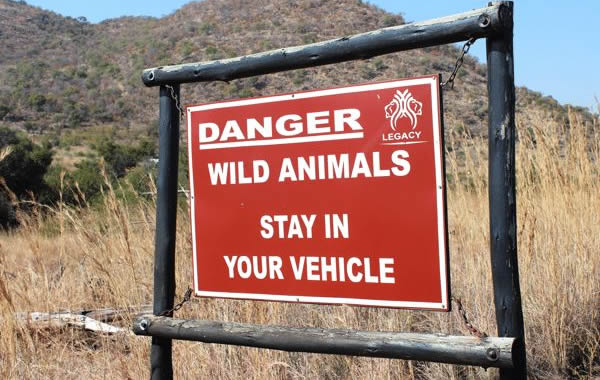
Drive your Tanzania Adventure Holiday
Guide your self in the African wilderness responsively. Follow the park guideline and in some places request a ranger guide. There’sm much more to learn.
Explore the remote Tanzania independently
From Serengeti open plains and the Ngorongoro Crater to the mountaineous Usambara highlands and the coastal region of Dar es Salaam and Tanga.
Why These Four Parks Stand Out
Serengeti National Park is the anchor of any northern circuit trip and the reason most people come to Tanzania at all. Its unbroken plains support the Great Migration, and because the park is so vast, self-drivers can find genuine solitude even in high season if they head toward Lobo in the north or the western corridor rather than sticking only to Seronera.
Ngorongoro Conservation Area is unusual in that it isn’t run by TANAPA at all but by its own authority (NCAA), and it packs an extraordinary density of wildlife — including black rhino — into a single collapsed volcanic caldera. Self-drivers do need a vehicle permit fee to descend into the crater floor itself, but camping on the rim gives you the best sunrise views in the country for free.
Tarangire National Park is often underrated by first-timers, yet it has some of the highest elephant densities in Africa and is far quieter than the Serengeti, making it an excellent, low-pressure park to get comfortable driving yourself before tackling bigger distances.
Lake Manyara National Park rounds out the circuit with dramatic Rift Valley scenery, tree-climbing lions, and huge flocks of flamingos along the lake shore — and because it’s small and close to Arusha, it’s the easiest park for a first-night stopover.
Best Camping Sites and Rates in Each Park
TANAPA and the NCAA both operate two tiers of camping: public campsites, which have basic facilities like pit latrines, cold showers, and a communal cooking shelter, and special campsites, which are unfenced, unserviced, and reserved for a single group at a time so you effectively have the bush to yourselves.
Serengeti National Park
- Seronera Public Campsite — the most popular option, right in the heart of Central Serengeti near the airstrip and main game-drive circuit; expect other campers nearby but excellent year-round wildlife access.
- Pimbi Public Campsite — also close to Seronera, a reliable fallback when Seronera itself is full.
- Lobo campsites — in the quieter northern Serengeti, ideal if you want fewer vehicles and are following the migration toward the Mara River.
- Rates: public campsites run roughly US$35 per adult per night (about US$12 for children 5–15, under 5s free), while special/private campsites cost around US$59 per adult per night. On top of camping fees you still pay the standard Serengeti park entry fee of about US$59 per adult per 24 hours, plus a vehicle fee.
Tarangire National Park
- Migombani Campsite — a well-known public site just outside the park boundary, popular with self-drivers doing budget circuits, with basic shade and cooking facilities.
- TANAPA-run public campsites inside the park itself, for those who prefer to overnight within the boundary.
- Rates: park entry for Tarangire (grouped with Manyara and Nyerere/Selous in TANAPA’s fee bands) runs around US$47 per adult per 24 hours, with camping fees again following the standard public (~US$35) and special (~US$59) per-person tiers.
Lake Manyara National Park
- Lilac Campsite and other public sites just outside the park gate near Mto wa Mbu, a convenient overnight stop for those arriving from Arusha or moving on to Ngorongoro.
- Rates: entry fees sit in the same band as Tarangire (roughly US$47 per adult), with camping again in the US$35–US$59 range depending on whether you choose a public or special site.
Across all these parks, an 18% VAT is added to the quoted figures, and all fees are paid electronically in advance through the TANAPA or NCAA payment portals rather than in cash at the gate — something first-time self-drivers sometimes overlook until they’re standing at the barrier.
Car Rental in Arusha and One-Way Options
Arusha remains the obvious launch point for any of these routes. Budget self-drive 4×4 hire (a basic vehicle without camping gear) can start from around US$60–90 per day, while a proper camping-ready Land Cruiser or Hilux with a rooftop tent, full kitchen kit, recovery gear, and comprehensive insurance typically runs US$150–200 per day, varying by vehicle class and single versus double rooftop tents. Most operators also require a refundable security deposit, often in the US$500–1,500 range. For travellers not looping back to Arusha, one way self drive trips are widely available — for example, picking up in Arusha and dropping off in Dar es Salaam, or continuing overland toward the Kenyan border at the Masai Mara. One-way fees are calculated on distance and vehicle repositioning cost, so it’s worth requesting a quote early, since this can add a meaningful amount to the overall budget compared with a simple round trip.

Is Self-Drive Camping a Good Deal for First-Time Visitors?
For a first-time traveller to Tanzania, self-drive camping is a genuinely strong option — but with some caveats worth weighing honestly. The case for it: Camping fees of roughly US$35–59 per person per night are dramatically cheaper than even mid-range lodges or permanent tented camps, and a well-equipped rental vehicle removes the need to book a separate guide-driven vehicle. Combined, a self-drive camping safari across the northern circuit can often come in at a fraction of the cost of an equivalent guided lodge safari, while still covering the same parks and the same wildlife.
The trade-offs: Tanzania’s park roads can be rough, campsite bookings need to be made well in advance in high season (some special campsites fill up months ahead), and the Ngorongoro Crater’s steep, narrow descent road plus the mandatory crater fee structure catches first-timers off guard on cost. There’s also no guide narrating the wildlife for you — which some first-time visitors miss, and others consider part of the appeal.