
Essential Travel Tips
Choose the Right Vehicle
A proper 4×4 with high ground clearance is non-negotiable. Parks like Serengeti, Tarangire, and Ruaha have rough, rutted, and often muddy tracks, especially in the wet season (November–May). A Toyota Land Cruiser is the standard choice across East Africa because of its reliability and parts availability — if something breaks, mechanics in nearly every town know how to fix it. Rent from a reputable company that includes a rooftop tent or pop-top roof if you want better wildlife viewing angles, plus a spare tire (ideally two), a full tool kit, a jack, and a snorkel if you’ll cross water during the rains. Confirm the rental includes 24-hour roadside assistance — this is critical given how remote some routes are.

Understand Park Access and Permits
Not every park is straightforward for self-drivers. Tarangire, Lake Manyara, and Arusha National Park are self-drive friendly with clear roads and gates. The Serengeti is doable independently but the distances are large and roads confusing, so GPS and a good map are essential. Ngorongoro Crater is trickier: while you can drive your own vehicle down into the crater, you’re required to be accompanied by a licensed local guide, which you arrange at the gate. Fees are paid through the TANAPA (Tanzania National Parks Authority) online booking system or at gates, and you’ll need cash or a working Visa card, as connectivity for card payments can be unreliable at remote entrances. Book and pay for permits a day in advance where possible to avoid delays at the gate.

Get Familiar with Tanzanian Road Rules and Conditions
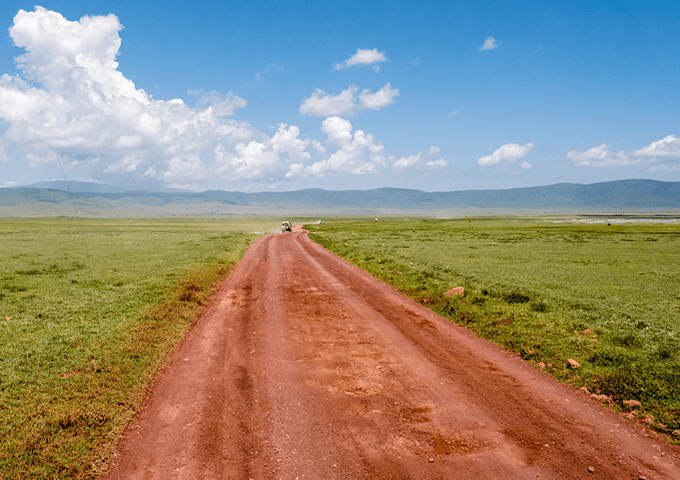
Tanzania drives on the left. Outside major towns, tarmac quickly turns to gravel, then to dirt tracks full of potholes, corrugation, and seasonal washouts. Distances that look short on a map can take hours. Avoid night driving outside towns entirely — unlit roads, pedestrians, livestock, and unpredictable local traffic (particularly buses and trucks) make it genuinely dangerous. Plan to be at your camp or lodge well before sunset, which falls around 6:30 pm year-round near the equator. Within parks, stick to designated tracks; off-road driving is illegal in most areas and damages fragile ecosystems.
Wildlife Safety Rules
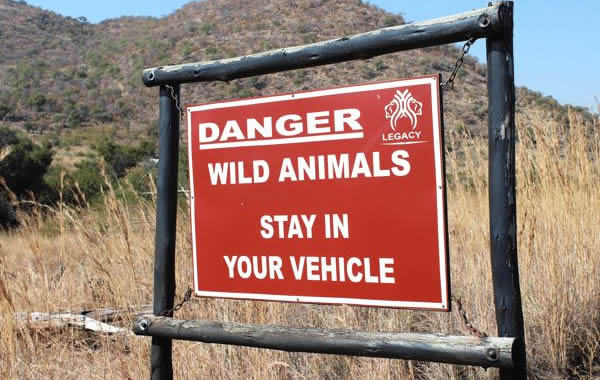
Staying inside your vehicle is the golden rule almost everywhere in the parks — lions, elephants, and buffalo are unpredictable, and Tanzania’s parks are not fenced. Only get out at designated picnic spots or viewpoints marked safe by park authorities. Keep a respectful distance from animals; approaching too closely stresses wildlife and can provoke defensive behavior, especially from elephants with calves or big cats near a kill. Never feed animals. If you’re navigating close to elephants on a track, give them the right of way and reverse slowly if they show signs of agitation — ear-flapping, trumpeting, or a mock charge.
Plan Fuel, Water, and Supplies Carefully
Fuel stations thin out fast once you’re off the main highways, and some parks have no fuel at all inside their gates. Fill up whenever you pass a station, even if your tank isn’t empty, and carry a jerry can as backup for long stretches like the Serengeti’s western corridor or Ruaha. Bring more drinking water than you think you’ll need — heat and dust increase dehydration risk. Pack a cooler box for perishables, basic first-aid supplies, a tire repair kit, and enough non-perishable food in case you’re delayed by a breakdown or flooded river crossing.
Navigation and Connectivity
GPS apps like Maps.me or offline Google Maps downloads are useful, but many park tracks aren’t accurately mapped, so a physical TANAPA map from the gate is a worthwhile backup. Mobile signal is patchy to nonexistent inside most parks — Vodacom and Airtel have the best rural coverage in Tanzania, so a local SIM with a Tanzanian carrier is worth getting in Arusha or Dar es Salaam before you head out. Tell your lodge or a trusted contact your planned route and expected arrival time each day, since if you break down or get lost, self-rescue options are limited.
Book Accommodation and Campsites in Advance
Public campsites inside parks are affordable but basic — expect no or minimal facilities, and book through TANAPA in advance during peak season (June–October and December–March) as popular sites fill up. Special campsites offer more privacy at a higher fee. If you prefer lodges, book ahead too, since options inside parks are limited and remote areas have few last-minute alternatives. Always confirm whether your accommodation is inside or outside the park gates, as this affects your daily entry fees and driving time
Health and Insurance Preparations
Get comprehensive travel insurance that explicitly covers self-drive safari activities and medical evacuation — flying doctor services like AMREF exist for genuine emergencies but are not free. Malaria prophylaxis is recommended for most safari regions; consult a travel clinic beforehand. A yellow fever certificate may be required depending on your prior travel history. Pack a solid first-aid kit, insect repellent, and sun protection, since you’ll spend long hours exposed while driving with windows down for wildlife viewing.
Budget for Park and Vehicle Fees
Self-drive safaris in Tanzania aren’t necessarily cheaper than guided ones once you account for daily park entry fees (charged per person and per vehicle, and notably higher for foreign visitors than East African residents), vehicle rental, fuel, and camping or lodge fees. Fees are typically quoted in US dollars but payable in Tanzanian shillings or by card. Budget generously, as remote refueling and emergency repairs can add unexpected costs.
Respect Local Customs and Border Formalities
If your route crosses into Kenya or other neighboring countries, check vehicle import permits and insurance (COMESA yellow card) requirements in advance, as your Tanzanian rental agreement may restrict cross-border travel. Within Tanzania, greet officials and locals politely, dress modestly in towns and villages, and ask permission before photographing people.