Camping with a 4×4 in Tanzania
Tanzania is one of the best countries in the world to explore in a self-driven or guided 4×4, precisely because its parks — the Serengeti, Ngorongoro Crater, Tarangire, Lake Manyara, and Ruaha — are vast, remote, and connected by rough tracks that a standard car simply can’t handle. Camping with a 4×4 in Tanzania, where your vehicle doubles as your mobile base, gives you a level of freedom and immersion that lodges can’t quite match: you wake up to the sound of the bush right outside your tent, move at your own pace, and often get to campsites that see far fewer vehicles than the main lodge circuits.
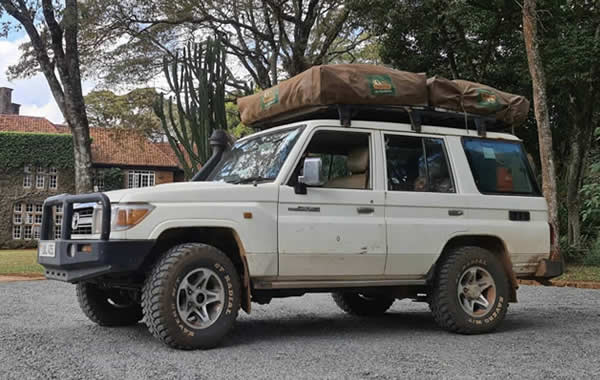
Most self-drive or guided camping safaris here use a fitted-out Land Cruiser or Land Rover — a pop-top roof for game viewing, a snorkel for river crossings, long-range fuel tanks, and either a rooftop tent or ground tents carried in the back. Public campsites inside the national parks (run by TANAPA) are basic: a long-drop toilet, sometimes a water tap, and open ground shared with wildlife, so a fully self-contained rig matters. “Special campsites,” bookable in advance and often exclusive to one group per night, are the ones seasoned overlanders prize, since they’re usually more private and closer to good game-viewing corridors. For travelers watching costs, budget 4×4 safaris in Tanzania are entirely possible this way — camping cuts out lodge and meal expenses, and a well-planned route can keep park fees and fuel as the main line items.
Getting Your Vehicle: Car Rentals in Arusha and Beyond
For most self-drive or camping safaris, the trip starts with sourcing the right vehicle. Car rentals in Arusha are the most common starting point, since Arusha sits at the gateway to the northern circuit parks and has the largest concentration of operators offering fully-kitted 4×4s — roof tents, fridges, and camping gear included. It’s worth booking well in advance during peak season (June–October and the December–February calving period), as the best-equipped vehicles go quickly.
If your route starts on the coast or includes the southern parks like Ruaha and Selous, a car rental in Dar es Salaam is often more practical, letting you avoid the extra drive north before your safari even begins. Rental companies in both cities vary widely in the quality and reliability of their fleets, so it’s worth checking reviews specifically from other self-drive or camping travelers, confirming what recovery and breakdown support is included, and clarifying mileage limits and cross-border allowances if you’re planning to continue into Kenya or Zambia.
Self-drive in Tanzania is legal and increasingly popular, but it’s not quite the same as renting a car for a city trip — you’re taking on remote navigation, basic vehicle maintenance, and animal encounters on your own. Renters should confirm the vehicle comes with a spare tire (ideally two), a jack rated for the terrain, recovery gear, and a full camping kit if that’s part of the package, and should do a thorough walk-around and test of every system before leaving town.
Most Recent Posts
- All Post
- Rooftop tent Camping
- Self-drive and One way
Category
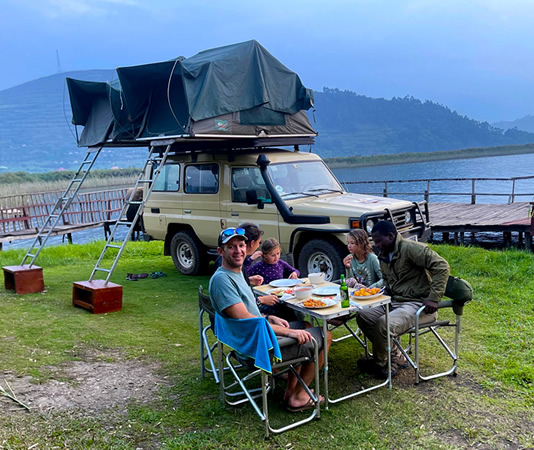
Land Cruiser - Budget 4x4 Safaris
These are among the most reliable 4×4 vehicles for self-drive and camping adventures across Tanzania and Africa at large. Camping makes safari travel in Tanzania both accessible and affordable.
Plan your schedule and route carefully, and book campsites in advance — especially during peak season. Choose a pick-up point in Arusha, Kilimanjaro, or Dar es Salaam, and take advantage of our one-way self-drive options for greater flexibility.
From $165
Double Camping with a 4x4
This Land Cruiser offers excellent value for a group of four traveling during Tanzania’s peak safari season. With comfortable camping accommodations included, you’ll maximize savings while comfortably staying within your safari budget.
Book for long term period and get a 10% discountoff the normal rates.
From $185/day
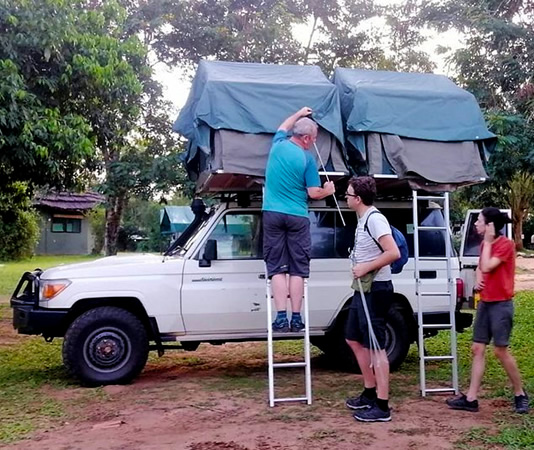
Affordable Safari Packages — Southern Tanzania
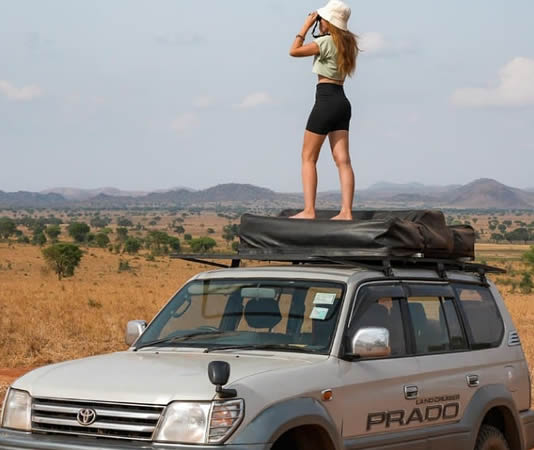
Discover the untamed beauty of Southern Tanzania with our budget-friendly safari packages, thoughtfully designed for travelers seeking authentic wildlife experiences without the premium price tag. Our safaris are exclusively based in the Southern Circuit, offering the added benefit of smoother, well-maintained roads compared to the more rugged terrain typical of the Northern Circuit — making for a more comfortable journey between destinations.
Convenient Booking & Pickup
All bookings include convenient pickup directly from Dar es Salaam city, ensuring a seamless start to your safari adventure.
From $130/day
Recommended Add-Ons for 4×4 Camping in Tanzania
A few extras consistently make a real difference on a camping-based 4×4 trip:
- Roof-top tent or ground tent with a proper ground sheet — keeps you off damp or insect-prone ground and sets up faster than a full ground tent.
- Fridge/freezer unit (12V compressor fridge) rather than a cooler box, since ice is hard to source in remote areas.
- Long-range or auxiliary fuel and water tanks — fuel stations thin out fast once you’re off the main routes.
- Snorkel and recovery gear (traction boards, a good jack, tow strap) for river crossings and mud in the wet season.
- Solar panel or dual battery system to keep the fridge, lights, and phone/GPS charged without draining the main battery.
- Satellite communicator or radio for areas with no mobile signal, which is most of the parks.
- Portable camp shower and a basic camp toilet setup for public campsites that lack facilities.
- Good binoculars per person and a solid wildlife field guide, since camping trips tend to mean more independent, slower-paced game viewing.
- A comprehensive first-aid kit and basic spares (fan belt, extra oil, tire repair kit) — the nearest mechanic can be hours away.
- Bug netting and a reliable insect repellent, particularly for camps near water where tsetse flies and mosquitoes are more common.
Put together, a well-equipped 4×4 sourced through a reputable car rental in Arusha or Dar es Salaam, a realistic route matched to the season, and a mix of camping and a few well-chosen lodge nights make self-drive in Tanzania one of the most rewarding — and, done right, most budget-friendly — ways to experience the country’s parks.
Make reservations earilier especially when planing to travel during the high peak season. Vehicles can be pick up from Dar es Salaam, Arusha, Kilimanjaro and Moshi. We deliver direct to you at the hotel, aairport or residence. Any distance outside the city in over 20kms is charged 20 dollars extra.
Choosing Accommodations in Safari Lodges
Even travelers who camp for part of a trip often mix in a few nights at a lodge — for a shower, a proper bed, or simply variety. Choosing well among Tanzania’s huge range of lodges comes down to a handful of factors:
Tanzania's parks are seasonal in terms of where animals concentrate — the wildebeest migration, for instance, moves through the southern Serengeti around January–March (calving season), the western corridor around May–June, and the northern Serengeti/Mara River area around July–October. A lodge that's beautifully built but 3 hours from the current wildlife concentration will cost you valuable game-drive time. Matching lodge location to the season you're traveling in matters more than almost anything else.
Permanent lodges are solid buildings with full amenities — pools, spas, reliable power. Luxury tented camps offer canvas rooms with real beds, en-suite bathrooms, and often a more immersive, "closer to nature" feel while still being comfortable. Mobile or semi-permanent camps move with the migration and tend to put you right where the action is, though with fewer frills. If your priority is proximity to wildlife over hotel-style comfort, tented or mobile camps usually win.
Some lodges (especially in Ngorongoro or near Arusha) are fenced for safety, meaning no animals wander through camp. Unfenced camps, common in the Serengeti and Ruaha, mean elephants, hyenas, or even lions can pass by at night — thrilling for some, unnerving for others. It's worth asking directly, since marketing photos rarely make this obvious.
Small camps (6–12 tents) tend to offer more personalized service, quieter surroundings, and easier access to walking safaris or night drives (permitted in some private concessions but not inside national parks). Larger lodges can feel more like hotels, with set meal times and bigger crowds at sightings.
Lodges inside private conservancies (like those bordering the Serengeti or in the Ngorongoro Conservation Area) often allow off-road driving, night drives, and walking safaris — activities banned inside the national parks proper. If you want a more flexible, less rule-bound safari experience, a concession-based lodge is usually worth the premium.
Rates usually fall into budget, mid-range, and luxury bands, and it matters whether park fees, drinks, laundry, and game drives are included or extra — this can swing the real cost significantly. This is another place where budget 4×4 safaris in Tanzania have an edge: pairing a few nights of camping with just one or two carefully chosen budget or mid-range lodge stays keeps the overall trip affordable without sacrificing the highlights.