
Ruaha National Park: 4×4 Self-Drive Safaris
Rent a 4×4 from Dar es Salaam and explore the southern circuit. Ruaha National Park rewards travelers willing to trade convenience for solitude. It’s Tanzania’s largest national park, part of a vast ecosystem that also takes in Rungwa, Kizigo, and Muhesi game reserves. Ruaha’s combined footprint makes it one of the biggest protected wildlife areas in Africa. The park takes its name from the Great Ruaha River, which runs along its southeastern edge and is the focal point for game viewing. Despite its size and the sheer volume of wildlife inside it, Ruaha remains one of the least visited major parks in East Africa — which is exactly its appeal for anyone planning self-drive safaris Tanzania.
Vehicle and Timing
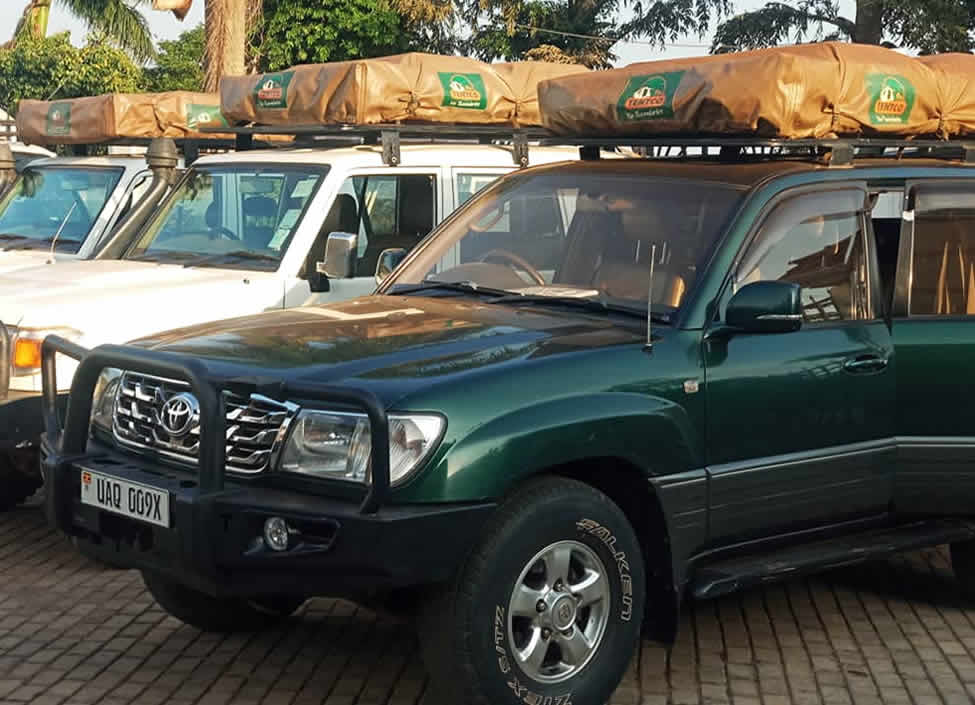
A 4×4 is essential year-round, since the park’s rough internal roads worsen once rains hit. The Toyota Land Cruiser is the regional standard — parts and expertise are widespread in Tanzania, and most car rental Tanzania agencies recommend it. A well-equipped RAV4-type compact 4×4 can work for experienced overlanders with good clearance, all-terrain tires, and self-sufficiency (recovery gear, fuel, water). Since the nearest fuel is two hours away at Iringa with none inside the park, extra jerry cans are essential — confirm your vehicle, rented or owned, is properly equipped for bush travel. (90 words)
Where to Start Your Drive
From Dar es Salaam it’s about 625 kilometres and 10 to 12 hours by road, routed through Morogoro and Iringa. Some southern-circuit itineraries link Ruaha with Mikumi or Nyerere (formerly Selous), so it’s entirely possible to build a longer overland loop through Tanzania’s less-trodden southern parks rather than treating Ruaha as a standalone destination. Most visitors today actually fly in — scheduled flights connect Dar es Salaam, Zanzibar, and Arusha to the park’s Msembe airstrip in a couple of hours — but for those who want the overland adventure, whether in a private vehicle or through a car rental Tanzania company, Iringa remains the launch point and a popular stop to restock on supplies, fuel, and cash before heading in.
From Iringa the drive to the main gate takes roughly 2 to 3 hours over a road that’s part paved, part rough. The route starts on decent tarmac out of Iringa before switching to gravel, running through a scattering of villages and long stretches of open, empty land that make you feel like you’re heading properly into the wild. The access road can be genuinely poor in places, and the nearest fuel is a solid two-hour drive away at Iringa — a detail that matters enormously for trip planning, since there is nowhere to refuel once you’re deep in the park.
4x4 Safaris to Ruaha
On pure cost, Ruaha is noticeably cheaper than the northern circuit parks — park fees run lower than Serengeti or Ngorongoro, and self-driving strips out the cost of a guided vehicle and driver entirely. Fuel, camping fees, and park entry are your main outlays, and camping (especially at Tembo) is inexpensive relative to the lodges and tented camps dotted through the park.
What Makes Ruaha Special
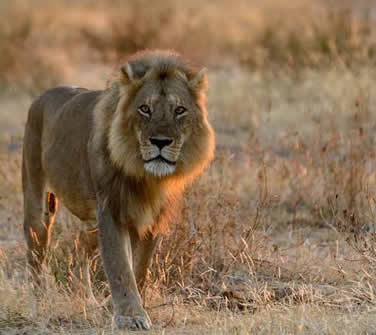
Ruaha sits right where East Africa’s savanna meets southern miombo woodland, so the species list is wonderfully mixed — greater and lesser kudu, sable and roan antelope, alongside the usual giraffe, zebra, and buffalo. Over 10,000 elephants roam here, and with so few vehicles around, lion and leopard sightings are often outstanding. The scenery does a lot of the work too: rolling hills, baobabs, and the sandy Great Ruaha and Mwagusi rivers, which pull game in even during the driest months. Birders should aim for mid-November to March, when migrants like the sooty falcon and Eleonora’s falcon arrive from as far as the Sahara.
Really, though, the draw is space. You get the real bush experience without queuing behind other trucks at every sighting — fewer animals per hour than the Serengeti, maybe, but far fewer crowds and lower fees too.
Best Campsites and Camping Grounds
Ruaha offers two camping tiers: public campsites with basic infrastructure, and undeveloped “special” campsites booked in advance for full privacy. This makes it one of Tanzania’s best parks for self-organized 4×4 camping safaris.
Public camping centers on three sites — Tembo, Kiboko, and Simba — plus two special campgrounds, Mbagi and Ifuguru. Public sites typically have toilets, cold showers, and a shared kitchen; special sites are unserviced and must be reserved ahead.
Tembo (Public Campsite #1) is the top pick for most self-drivers. It’s the only public site with running water and a toilet, set directly on the Ruaha River — visitors report hippos, elephants, and even lions passing through at night. Amenities include clean tap water, toilets, a cold shower, and a building for eating safely away from scavengers, though the ablution blocks are basic. Repeat overlanders note that even in peak season, you rarely share the site with more than one other group.
Kiboko (Public Campsite #2) is a solid backup if Tembo is full. On one visit it held roughly twenty tents linked to nearby airstrip construction workers, while Tembo sat empty — so it’s worth checking both on arrival.
Simba provides a third public option, while Mbagi and Ifuguru suit wilderness seekers: no facilities, but more privacy and often closer game movement.
Together, these five sites give Ruaha unmatched variety between developed and truly wild camping.
Logistics: Pay park and camping fees at the gate. After the bridge, keep right along the river for Kiboko, or continue past park headquarters for Tembo, signposted past the older bandas. Non-campers can choose self-catering river bandas or newer ensuite hilltop rooms overlooking the water.
4x4 Tanzania Self drive Safari Holiday
A self drive Safari saves you more than just money. Plan your own adventure trail and adjust the daily schedule depending on the demands.
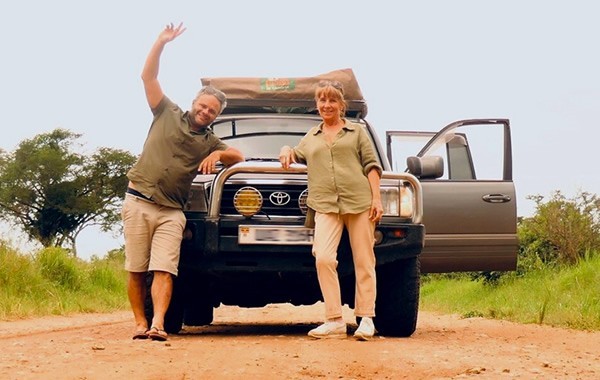
Explore the remote Tanzania independently
Pick up from Dar es Salaam and drive to the southern Tanzania. Go camping and opt for a one way rental. We have great deals on your next self drive trip.