
Ngorongoro Crater Experience | 4×4 Car Rental Arusha
The Ngorongoro Crater is one of the most breathtaking locations in East Africa and the top spot on the continent to spot the Big Five. It’s an ideal starting point for any African safari itinerary, whether you’re arranging self drive and car hire from Arusha, Tanzania or booking guided 4×4 safaris. That said, as one of the world’s most celebrated natural wonders, the Crater does draw large crowds — sometimes overwhelmingly so. We recommend a two-night stay here to make the most of it, before moving on to the Serengeti for a quieter, more exclusive safari experience.
Any Northern Tanzania safari itinerary should include a stop at the Ngorongoro Crater — widely regarded as one of the most spectacular wildlife destinations on earth, and a wonderful place to connect with the Maasai people.
Together with the surrounding highlands, the Ngorongoro Crater forms one of Africa’s most stunning regions. Its volcanic craters create dramatic landscapes that double as some of the richest, most fertile grazing grounds on the continent. The Ngorongoro Crater itself stands out as the largest intact volcanic caldera on the planet, and it holds the highest density of large game found anywhere in Africa — making it, deservedly, one of the continent’s most iconic safari destinations.
How to Reach Ngorongoro Crater from Arusha
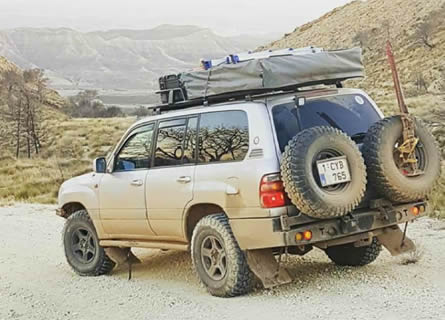
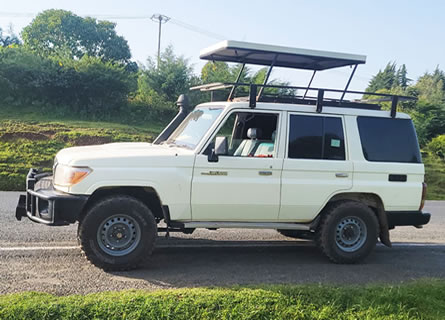
By road from Arusha: Arranging car rental Tanzania-wide with a private vehicle and driver-guide — from pickup at Kilimanjaro International Airport right through to your departure from the Ngorongoro area — can be a cost-effective option, especially for larger groups. If you’re driving in, plan to spend a night on each side of your descent into the crater, either camping on the crater rim or staying around 20 minutes away in the Ngorongoro Highlands. This lets you reach the gates early and beat the crowds.
By air from Arusha: If you’re staying at a fly-in camp — where the vehicle and guide are provided directly by the camp rather than a ground operator from Arusha — you can fly into the Lake Manyara airstrip and be met by camp staff. This option often works out more economical than a private road transfer for smaller groups, and it’s frequently required by more exclusive camps run by top-tier operators, including outfits like All Tanzania Safaris.

Ngorongoro Crater Weather
Because wildlife lives in the crater year-round, there’s no single “best” time to visit. That said, visiting during quieter months can mean less vehicle traffic on the crater floor and a more relaxed experience overall. When water levels rise in Lake Magadi, near the crater’s center, flamingo numbers tend to surge — a real highlight for visitors. Whether you’re planning 4×4 safaris with a guide or arranging your own self drive adventure, a trip to Ngorongoro delivers an outstanding safari experience any time of year, thanks to its unique microclimate.
Ngorongoro Crater Weather
Because wildlife lives in the crater year-round, sustained by a permanent water source and consistently fertile grazing, there’s no single “best” time to visit in the way there might be for parks that rely on seasonal migrations. That said, visiting during quieter months — typically outside the peak July-to-September and December-to-February windows — can mean less vehicle traffic on the crater floor and a more relaxed, unhurried experience overall, with fewer vehicles jostling for position around sightings.
When water levels rise in Lake Magadi, the shallow soda lake near the crater’s center, flamingo numbers tend to surge dramatically, painting the lake’s edges in vivid pink and creating a real highlight for visitors lucky enough to catch it. This phenomenon is closely tied to seasonal rainfall patterns, so travelers hoping to see large flamingo flocks may want to time their visit around the wetter months for the best chance of witnessing this spectacle.
Whether you’re planning 4×4 safaris with a guide or arranging your own self drive adventure, a trip to Ngorongoro delivers an outstanding safari experience any time of year, thanks to its unique microclimate. The crater’s elevation and enclosed geography create weather patterns distinct from the surrounding Tanzanian lowlands, often bringing cooler temperatures, morning mist along the crater walls, and a lush, green backdrop that photographs beautifully against the wildlife below. No matter when you visit, the Ngorongoro Crater remains one of the most rewarding and reliable wildlife destinations anywhere on the African continent.
Explore Our Services
Lorem Ipsum is simply dumy text of the printing typesetting industry.