4×4 Road Trips in Tanzania: Self-Drive Safaris.
Road trips in tanzania account for about 50% in East Africa. Tanzania is one of countries where a self-driven 4×4 safari is genuinely possible, and for travelers who crave independence over the choreographed pace of a guided tour, it offers one of the continent’s most rewarding overland experiences. From the dust-blown plains of the Serengeti to the cool highland forests around Ngorongoro, a Tanzania 4×4 safari is as much about the safaris between parks as it is about the wildlife inside them.

Tanzania 4x4 Safaris
From $120
Why Self-Drive in Tanzania
Most visitors to Tanzania’s northern circuit — Serengeti National Park, Ngorongoro Conservation Area, Tarangire, and Lake Manyara — arrive with a private guide and driver, largely because the terrain and bureaucracy can be intimidating for first-timers. But a growing number of overlanders, particularly those arriving overland from Kenya, Zambia, or Malawi, choose to navigate the country themselves through self-drive and car hire in Tanzania. The appeal is obvious: total control over pace, the freedom to linger at a waterhole for hours, and the chance to camp in genuinely remote bush campsites rather than sticking to a fixed itinerary. It’s also considerably cheaper than hiring a full-service safari operator, provided you already have or can hire a well-equipped vehicle.
That said, self-driving here is not the same as renting a car in Europe or the US. Roads inside national parks are unpaved, rutted, and often washed out in the rains. Fuel stations can be hours apart. And a mechanical failure in a remote corner of the Serengeti is a genuinely serious problem, not just an inconvenience. This is a trip that rewards preparation.
Routes to consider
Depending on where you start your safari in Tanzania will determine which route you take.
The northen circuit, the coastal region and southern part.
About Tanzania Road Trips
What to consider first for a Tanzania road Trip
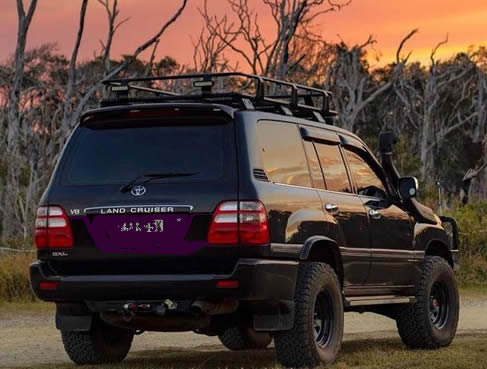
A rugged 4×4 with high clearance, snorkel, extra fuel, and all-terrain tyres is essential — Toyota Land Cruisers dominate for their reliability and easy access to parts and mechanics; Defenders and Patrols also appear, but spares are harder to find outside Arusha or Dar es Salaam.
Most self-drive rentals originate in Arusha, the overlanding hub; Dar es Salaam options exist but add inland driving time. Good rentals include rooftop tents, fridges, recovery gear, extra fuel/water, and satellite trackers for areas with poor coverage. Our rentals also come pre-registered for park entry, avoiding paperwork headaches.
One-way rentals (Arusha–Dar es Salaam) suit longer itineraries, though not all operators offer them and fees can be steep.
Any Question?
The combination of genuine remoteness, minimal barriers between traveler and landscape, and the total freedom to set your own pace makes it a compelling alternative to the conventional guided safari — provided the vehicle, permits, and planning are all sorted well in advance.
Rooftop Tent Camping and Accommodation
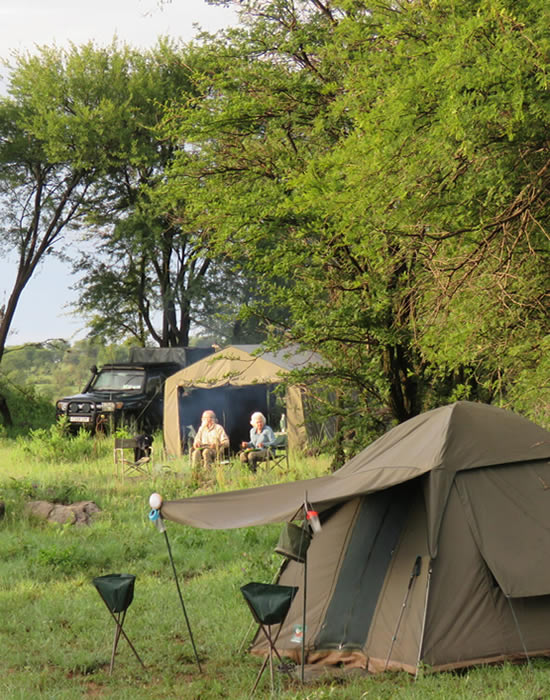
One of the pleasures of self-driving is the ability to camp inside or near the parks rather than committing to lodge bookings months in advance. TANAPA maintains a network of public and “special” campsites throughout the parks; public sites are shared and relatively basic, with pit latrines and sometimes a water tap, while special campsites are reserved exclusively for one group per night and cost more accordingly. Both require advance booking during peak season, particularly around the July-to-October migration months.
Rooftop tent camping has become the default choice for self-drive travelers on 4×4 camping safaris in Tanzania, partly for convenience and partly because sleeping above ground level offers a real safety margin in parks with unfenced campsites and free-roaming wildlife. Campfires are generally prohibited or tightly restricted, so a gas cooker is standard kit.
Permits, Rules, and Bureaucracy
Tanzania’s national parks run on a strict permit system unlike typical self-drive expectations. Entry fees apply per 24-hour period, paid electronically in advance since gates rarely accept cash, plus separate vehicle/concession fees. Ngorongoro Crater limits vehicle time on the crater floor, charges an extra descent fee, and enforces exit times strictly. The Serengeti is more flexible but bans off-track driving except in designated wilderness zones, protecting the ecosystem and preventing vehicles getting stuck. Some conservation areas, including parts of Ngorongoro, legally require a licensed guide even for self-drivers. Confirm current requirements with TANAPA or a local operator before finalizing plans, as rules change.
A Typical Northern Circuit Route
Most self-drive itineraries follow a variation of the northern circuit, looping out from Arusha. The route typically starts with a two-to-three-hour drive to Tarangire National Park, mixing tarmac and graded park roads. Known for ancient baobabs and large elephant herds, Tarangire’s quiet roads make it a gentle introduction to bush driving. Next comes Lake Manyara, a compact park squeezed between the Rift Valley escarpment and the lake, before climbing into the highlands toward Ngorongoro. The crater rim road is steep and can turn slippery in wet weather, but rewards drivers with sweeping caldera views before descending to the Serengeti plains.
The Serengeti itself can absorb anywhere from three days to two weeks, depending on how far travelers venture toward the western corridor or the northern Mara River region — both migration hotspots at different times of year. Distances are considerable, with inter-camp drives often taking four to six hours over tracks ranging from hard-packed dirt to deep dust or, in the wet season, thick mud.An extended loop might push further south to Ruaha or west to Katavi — far less visited, more remote, and largely unsupported. This is genuinely wild self-drive territory, best left to experienced overlanders traveling with a second backup vehicle.
F.A.Q.
Planning a Tanzania road trip? Here’s what people actually ask.
Is it safe to self-drive in Tanzania? For the most part, yes. Mechanics aren't hard to find, roads are in reasonable shape overall, and you'll pass police checkpoints regularly along the way.
Can you self-drive inside the national parks? Yes — it's allowed in all of them.
Should you drive yourself or hire a driver-guide? People who've tried both tend to recommend a guide, mostly because park roads aren't well marked and a local driver knows where to find wildlife and how to handle the trickier terrain.
What kind of car do you need? A Toyota RAV4 will get you through most parks fine, but for rougher spots like Serengeti or Selous — especially in the rainy season — you'll want something beefier, like a Suzuki Escudo or a Land Cruiser.
Do you need an International Driving Permit? Yes, and park gates ask for it often.
Will the rental car be properly insured and registered? A reputable rental agency should hand you proof of both insurance and registration.
What are the roads like? It's a mix — some solid highways, some rough unpaved stretches, and in remote areas you might deal with narrow roads, potholes, and the occasional cow or goat wandering across. Serengeti in particular is known for rocky, washboard-textured tracks.
How fast can you go? Not very. Regular roads top out around 50 km/h, and on rough park tracks like Serengeti's, it drops to about 25 km/h — push it faster and you risk a rollover, which most insurance won't cover.
Can you trust Google Maps for travel times? Not really — add roughly 30% on top of whatever it estimates.
Should you drive in Dar es Salaam or at night? Best avoided if you can help it. Dar's traffic is brutal, and night driving comes with its own risks — poor lighting and other drivers blasting their high beams.
Do you need to book accommodation ahead of time? Outside the parks, not really — you can often just show up and find somewhere safe to park for the night. Inside the parks, though, it's worth booking in advance.
What happens if the car breaks down somewhere remote? Rental companies usually have a network of mechanics they can send out, and if the car can't be fixed within 24 hours, they'll typically swap in a replacement vehicle.
What are traffic stops and fines like? You'll hit checkpoints fairly often, and fines for violations run around €30 — sometimes there's room to negotiate.